Close
0
You have no items in your shopping cart.
Search
Filters
RSS

Blog

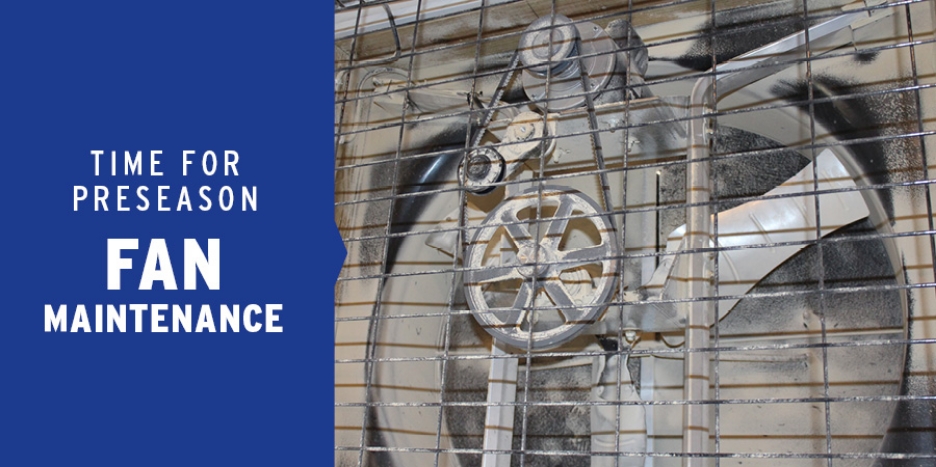
Preseason Fan Maintenance: Maximize Summer Cooling Performance

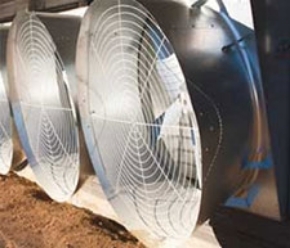
As temperatures rise, proper ventilation becomes essential for maintaining animal comfort and productivity. Performing preseason maintenance on summer fans is one of the simplest and most effective ways to ensure maximum airflow during the hottest months. Use this comprehensive checklist to prepare your fans for peak performance.

1. Inspect and Replace Fan Belts

Replacing fan belts annually is one of the most important preseason maintenance steps. Over time, belts naturally wear down—often by as much as 20%—which directly reduces fan performance.

Why Do Belts Lose Efficiency?

Despite common belief, fan belts do not stretch. Instead, they wear thinner from continuous contact with the pulleys. As the belt sits lower in the pulley groove, it causes the fan blades to rotate more slowly, reducing airflow.

What About Link-Style Belts?

Link-style belts are often misunderstood. Some believe only damaged links need replacement, but every link experiences the same amount of flexing and wear. A failure in one link means the rest are not far behind.
Link belts should be replaced annually, just like standard belts.

Their advantage? Convenience. Instead of stocking multiple belt sizes, you can order link belts in bulk and adjust them to fit.

For detailed steps on replacing both belt types, see our Belt Replacement Video.

2. Inspect Fan Pulleys

Once the belts are off, visually inspect each pulley. The grooves should maintain a crisp V shape. Rounded or worn grooves indicate the pulley is no longer gripping the belt properly and should be replaced to ensure consistent fan speed.

To align new pulleys quickly and accurately, use the Laser Fan Pulley Alignment Kit. Simply place the laser pointer in the existing pulley groove and adjust the new pulley until the beam lines up with the target. The target piece can also double as a handy gauge to check older pulleys for wear.

3. Always Use the Same Size Replacement Pulley

Using the correct pulley size is essential for both performance and equipment longevity.

  • Larger pulleys increase blade speed but also raise the motor’s amp draw, which can lead to overheating and premature motor failure.
  • Smaller pulleys slow down the blades, reducing airflow and cooling effectiveness.

Replacing the pulley with one that matches the original size ensures reliable, efficient operation.

4. Adjust the Auto-Tensioner

After replacing belts or pulleys, take a moment to check and reset the auto-tensioner.

  • Flex the tensioner several times to ensure its internal spring is moving freely and not seizing.
  • With the belt installed, confirm that the indicator bar sits between the first and second marks on the tensioner body.
  • If additional tension is required, rotate the body nut counterclockwise.

You can find more details in our Auto-Tensioner Adjustment Guide.

5. Install an Auto Greaser for Fan Bearings

Consistent bearing lubrication is critical—but realistically, most people don’t grease bearings as often as needed during the season. The result tends to be over-greasing at the start and under-greasing later on.

Over-lubrication can be just as harmful as neglect, causing:

  • Damaged seals
  • Excess heat from fluid friction
  • Shortened bearing life

The Auto Greaser eliminates both over- and under-greasing by delivering slow, steady lubrication throughout the season.

6. Clean and Inspect Shutters

Dirty shutters can cut fan output by up to 8%, making regular cleaning an easy, high-impact step.

  • Avoid power washers—they can damage components.
  • Use a broom or soft brush, and store one nearby for quick cleanings during the season.
  • Replace any bent or damaged vanes or rods to ensure shutters open and close properly.

7. Inspect Fan Cones

Exhaust cones boost fan efficiency by about 10%, but missing or damaged sections eliminate those gains. Look for pieces bent or broken by wind, ice, or snow, and replace anything that’s compromised to restore full performance.

Keep Your Fans Moving Maximum Air

Effective airflow is essential for keeping pigs comfortable and productive during hot weather. A thorough preseason maintenance routine ensures your fans deliver peak performance and efficiency when you need them most.


Comments (0)
Retrofit Your Fans for Powerful Airflow — Without Compromise

When barns heat up or static pressure rises, traditional belt‑driven induction motors can slow down—right when airflow matters most. Upgrading to a direct‑drive Omni‑EC™ motor delivers the consistent airflow, reliability, and control today’s operations demand.

Why Direct Drive with Omni‑EC™

  • Consistent performance under load. The Omni‑EC™ motor actively monitors speed and thermal conditions, automatically adjusting torque to maintain target RPM across a wide operating range—helping you hold airflow when heat and resistance increase.
  • Built‑in protection, fewer failure points. With the drive embedded in the motor, you reduce components (no remote drive) and gain overload and thermal protections designed to keep fans online in demanding conditions.
  • Efficient power. Active power factor correction (PFC) helps stabilize current draw, enabling comparable amperage to belt‑drive setups without sacrificing performance.
  • Soft starts, longer life. Soft start/stop and intelligent thermal management reduce mechanical stress and help extend service life.

Make It a Retrofit—Not a Rebuild
You don’t have to replace housings or shutters to step up to EC control. Retrofit kits make it straightforward and cost‑effective to move existing fans to Omni‑EC™ direct drive—gaining precision control and reliability while minimizing downtime.

Ready to upgrade?
The Omni‑EC™ direct drive motor offers powerful airflow, exceptional durability, and precise control—engineered for real‑world barn conditions.

For more information, visit AirStorm Pro Fans or contact a local sales representative.


Comments (0)
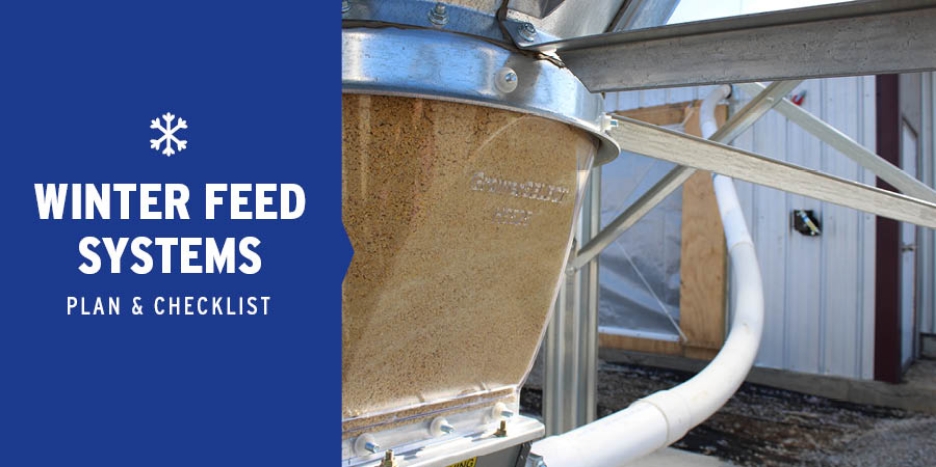
Feed Systems in Winter: Prevent Downtime and Reduce Feed Waste
When temperatures drop, feed systems are put to the test. Motors work harder, bins sweat, chain and auger systems stiffen, and even a small failure can stop delivery to an entire barn. Winter is not the time to be searching for a broken bearing or a jammed tube. A few simple checks now can prevent downtime, reduce wasted feed, and keep animals on track.
Comments (0)
Protecting Barn Floors & Concrete: Faster Cleanouts, Better Biosecurity
Taking small preventative steps now helps save money on repairs later and improves health, hygiene, and turnaround times between flocks or groups.
Comments (0)
A Year of Hard Work & Progress: Thank You from Hog Slat & Georgia Poultry
Farming does not slow down just because the calendar does. As 2025 ends, we want to take a moment to say thank you — to the farmers, barn managers, store teams, manufacturing crews, and partners who put in the work every single day.
Comments (0)
Engineering Airflow without Compromise.

For decades, swine and poultry industries have depended on traditional induction motors; however, their performance can falter under pressure. When faced with heat, wind resistance, or fluctuating loads, they tend to slow down, resulting in reduced airflow right when it’s needed most.

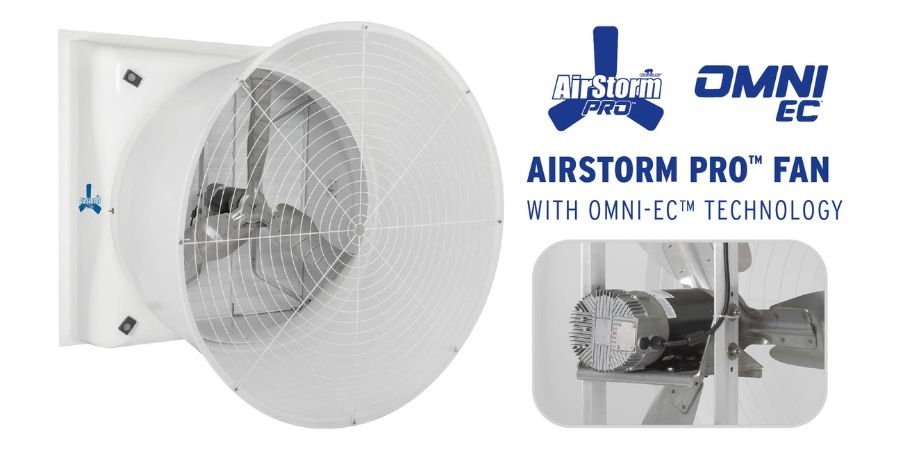
The AirStorm Pro™ Fan line eliminates this compromise. Built around the innovative Omni-EC™ direct drive motor, it combines advanced technology with premium components to deliver powerful airflow, exceptional reliability, and precise control—ensuring efficient, reliable ventilation performance when it matters.

Unlike traditional motors, the Omni-EC™ motor continuously monitors speed and thermal conditions in real-time, automatically adjusting torque and speed to maintain optimal performance across a wide speed range (400-700 RPM). Seamless integration with thermostats and sensors enables precise fan speed control that responds to your barn’s changing needs, while built-in overload protection prevents the failures that plague outdated induction fans in extreme conditions. The result: powerful airflow, exceptional durability, and energy-efficient ventilation that keeps your livestock comfortable and productive. Omni-EC™ motor technology isn't just an incremental improvement—it’s engineering designed to perform without compromise.

AirStorm Pro 57" Fan

Advanced Motor Technology: Built-In Intelligence for Peace of Mind

Powered by Leeson motors and protected by an industry-leading 3-year full replacement warranty (non-prorated) on the Omni-EC™ motor and drive combination, the AirStorm Pro represents advanced motor technology engineered for reliability. 

Built-In Protection. The motor continuously monitors speed and thermal conditions, automatically adjusting to prevent overheating and ensure reliable airflow when you need it most. Built-in overload protection safeguards against the failures that plague outdated induction direct drive fans in extreme conditions.

No Remote Drive. With the drive embedded directly in the motor, installation is streamlined, and potential failure points are reduced. No remote drive means fewer components to maintain and greater long-term reliability.

Efficient Power. Active Power Factor Correction (PFC) reduces the noise and current fluctuations typical of standard VFD/ECM systems. The result is an amperage draw comparable to traditional belt-driven motors, enabling smaller electrical circuit requirements without sacrificing performance.

Extended Lifespan. Soft start and stop features reduce mechanical stress on components, while intelligent thermal management prevents burnout from heat and pressure. These protections work together to maximize motor lifespan and minimize downtime.

Real Rewards Where It Matters

ECM motors deliver 10-20% greater efficiency than standard induction motors at full speed, with efficiency gains reaching up to 30% at reduced speeds. This translates directly to lower operating costs while maintaining the precise airflow control your operation demands.

"Better airflow means more consistent temperatures, reduced stress, and better pig performance," says Ross Thompson, Hog Slat Ventilation Director. "ECM motors give us the ability to fine-tune ventilation like never before—delivering the right amount of airflow, exactly when it's needed."
Upgrade without starting from scratch

You don’t need to start from scratch. Retrofit kits make upgrading to Omni-EC™ technology straightforward and cost-effective. You get all the benefits of advanced ECM performance—precision control, energy savings, and built-in intelligence—without replacing your entire ventilation system.

In an industry where margins matter and reliability is non-negotiable, the AirStorm Pro delivers ventilation engineering designed to perform without compromise—giving you the power, efficiency, and control to optimize your barn environment and maximize productivity. 

For more information, visit AirStorm Pro Fans or contact your local Hog Slat or Georgia Poultry sales representative. HS/GPE/ESPS/SAS Sales Representatives Contact Information | Hog Slat 

Comments (0)
Reflecting on Pork Month: Practical Ways to Keep Improving in 2026
October’s Pork Month spotlighted the people and practices that keep America’s pork industry moving. With colder weather ahead, now is a good time to step back, look at what worked this year, and plan a few practical upgrades for 2026. The goal is not to overhaul your barns — it is to refine the basics that improve animal comfort, reduce labor, and protect performance.
Comments (0)
Preparing Your Barn for Winter: Practical Steps for a Smooth Season
As temperatures begin to fall, small problems in barns—drafts, weak heaters, worn curtains—quickly become key issues. Winter prep does not have to be complicated or expensive. The goal is simple: keep air moving the way it should, hold heat where it belongs, and reduce emergency repairs. Below is a practical checklist to help you get your barns ready for wintry weather.
Comments (0)
Preparing Your Barn for Winter: Ventilation Checklist

As winter approaches, proper barn preparation is vital to maintaining the health and productivity of your livestock, particularly in swine facilities. Effective ventilation is key to controlling air quality and temperature. Conducting a ventilation audit before the season starts ensures your barn is ready to support healthy animals through the cold months. Our Minimum Ventilation Checklist provides an easy guide to help you stay ahead of winter challenges.

The Importance of Winter Check-Ups

Winter inspections of ventilation systems are essential, as they often operate at reduced capacities during the colder months, allowing for a minimal margin of error. If the ventilation is not functioning properly, it can lead to increased humidity and gas buildup, adversely affecting pig health. Regular maintenance checks are necessary to maintain effective airflow for livestock during winter. This includes checking for blockages, ensuring fans and inlets function properly, and evaluating overall performance.

Key Areas to Focus On

To prepare your barn for the winter season, consider focusing on three main elements: Fans, Inlets, and Heaters. Implementing thorough checks across these areas will enable you to efficiently manage air quality and temperature.

  1. Fans: Regularly verify the performance of fans, including their RPM and physical condition. Dust accumulation can severely hinder efficiency, with a small amount decreasing airflow significantly. Maintaining clean exhaust fans enhances operational efficiency and the safety of the barn environment.
  2. Inlets: Inspect inlets for any blockages or damage that could disrupt airflow and ensure they respond optimally to control inputs. Proper maintenance of inlets ensures they can freely open and close, maintaining adequate ventilation.
  3. Heaters: When inspecting heaters, make sure all units turn on correctly and are free of dust. Verify that temperature probes are working and placed correctly. Also, ensure brooder emitters and box heaters are clean and free from debris or corrosion. Additionally, check that throttle valves are set properly and inspect tube heaters for any disconnections or problems with air intake and exhaust.

Building Considerations

Proper barn preparation encompasses more than just ventilation. Inspect the integrity of curtains, assess insulation needs, and seal any gaps around the walls to minimize heat loss. Additionally, ensure that soffits are clear to effectively withstand winter conditions.

Download the Checklist

Make barn preparation a priority this winter with our Minimum Ventilation Checklist. This practical resource provides a step-by-step guide to help you prepare your barn for colder weather.

Winter presents unique challenges, but a well-ventilated barn ensures healthier, more productive livestock. Don’t leave your barn unprepared—download the Minimum Ventilation Checklist today to ensure your ventilation system and equipment are ready for the cold months ahead!

Comments (0)
One more task for winterizing buildings
…plus an interesting new product.
Comments (0)