


 Canada
 中国
中国 Polska
 România
 Україна
 Méjico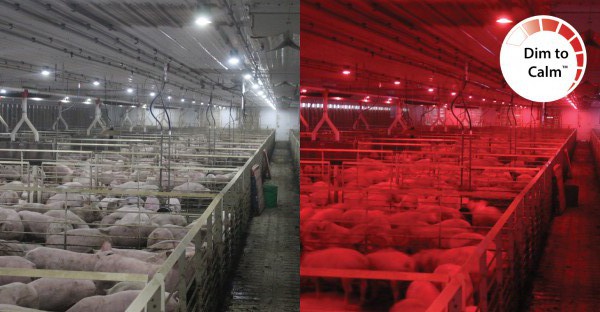
Using LED style lighting reduces electrical usage by 75-80% compared to incandescent bulbs and 50-60% over spiral CFLs. In most situations, the financial payback period will be between one to two years.
While all LED lights will achieve this expected energy savings, Once, Inc. offers their AgriShift Dim-to-Calm™ system specifically designed for use in swine facilities.
Domestic swine were developed from wild boar species, which occupy shaded habitats and are most active at dawn and dusk. This fact suggests that swine have a visual system that is best adapted to dim light rather than the bright light of mid-day or darkness of nocturnal light.
While humans see light primarily in the green and yellow spectrums, swine’s highest sensitivity is focused on the blue and green parts of the scale with little recognition of red shades. In other words, pigs perceive red lighting as darkness.
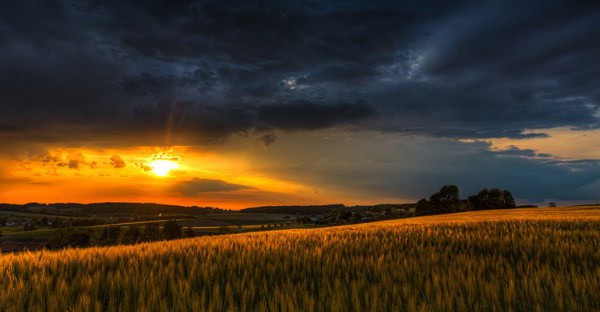 Dim-To-Calm lighting mimics sunrise to sunset photoperiods
Photoperiod requirements have not been well studied in swine, but it is evident a cyclical light: dark cycle should be provided. At all stages of production, swine benefit from at least eight hours of light and at least eight hours of darkness. The transition from light to dark periods should be gradual, much like natural sunrise and sunset, to reduce stress caused by sudden changes in light.
AgriShift Dim-to-Calm LED technology provides producers a method to automatically control light intensity, color spectrum and photoperiod length for swine specific lighting. The dimming capability simulates a sunrise to sunset scheme and is regulated through the house controller by use of a slave dimmer or by an AgriShift master control. Additionally, the shifted spectrum provides a service light (red color) that allows workers to have continual access to the facility after hours without disturbing or interrupting the sleep cycles of the pigs. Some producers have also utilized an additional period of light at night during hot weather. By setting up a shorter sunrise to sunset sequence during the cooler evening hours, they can encourage finishing pigs to consume more feed.
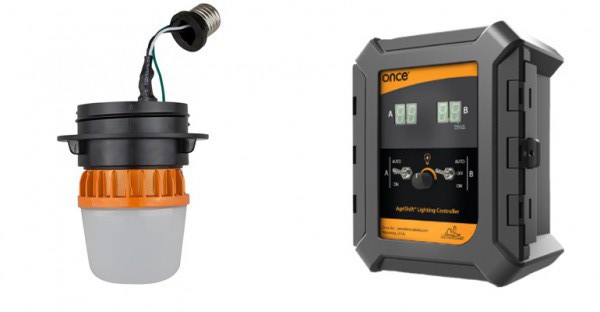 10 watt LED fixture with slave dimmer
The AgriShift LED lights are 10-watt jelly jar type fixtures with output equal to a 75-watt incandescent. It's an innovative design with the minimal heat of LEDs allowing the use of a low-profile plastic jar measuring only 2” compared to a typical 5"-7" long jelly jar. Replacement is simple with the provided Edison pigtail connector screwing into the existing light socket, twisting the jelly jar adapter in place and connecting the base lamp to complete the installation. The expected life of the bulb is 50,000 hours and is backed by Once's 5-year replacement warranty.
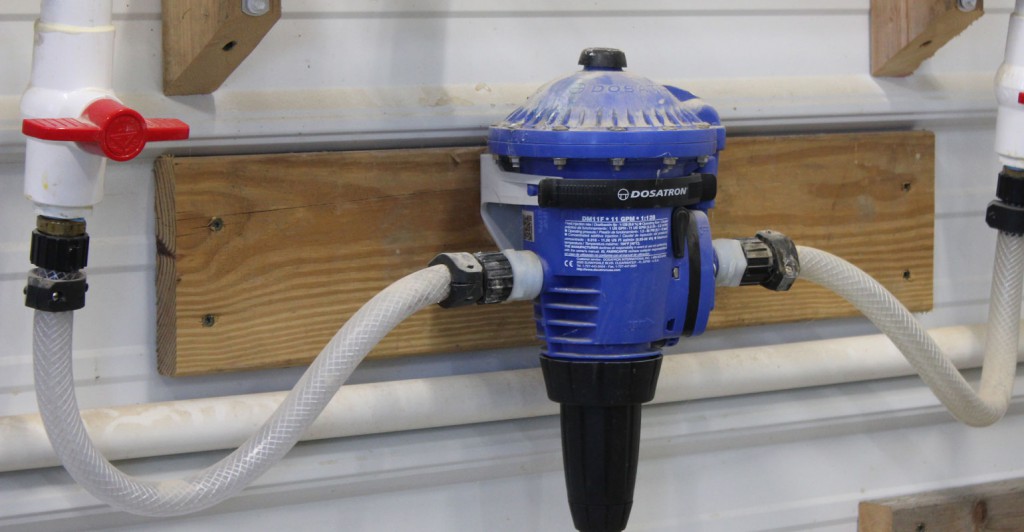
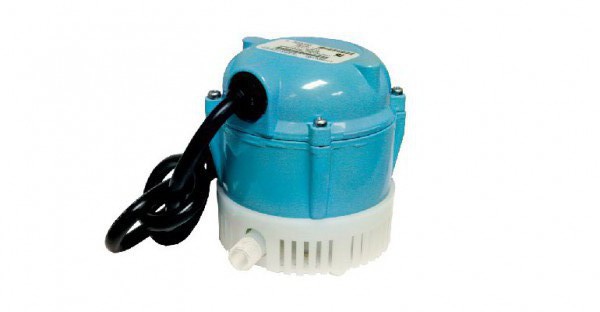 1.Use a mixing device in the stock tank...and that doesn't mean a paint stick!
 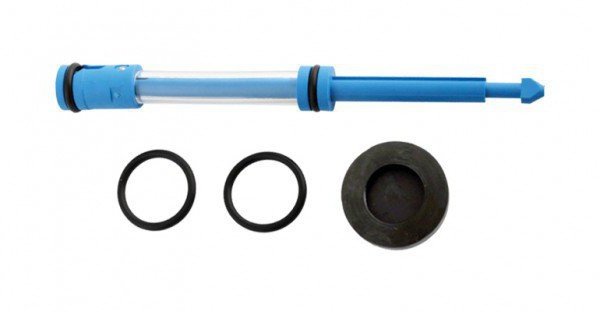 3."Click-Clack" doesn't mean it's working... replace the seals.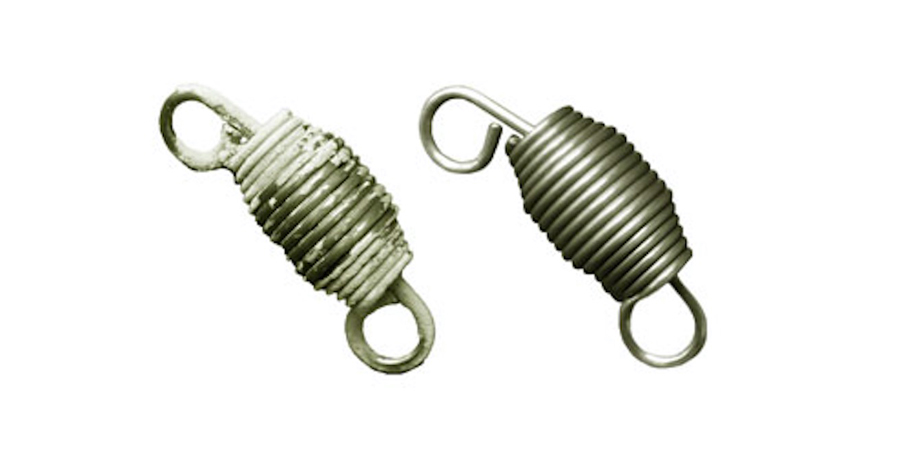
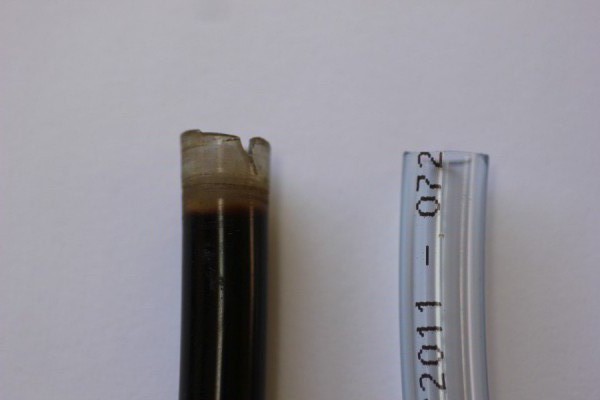
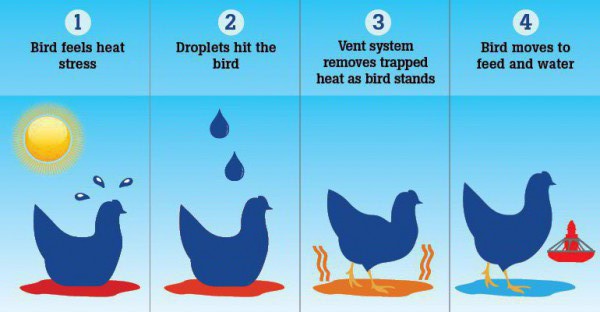 Sprinkling encourages bird migration to feed and water
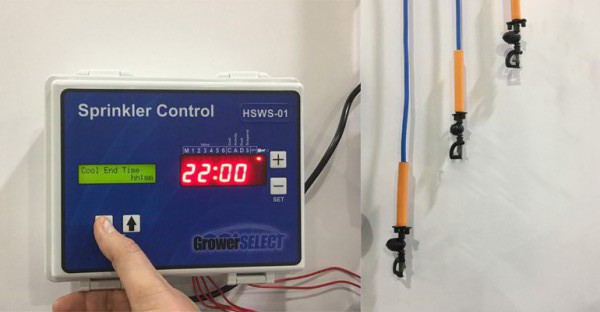 GrowerSELECT control with sprinkler head assemblies
 Georgia Poultry booth at 2017 IPPE show
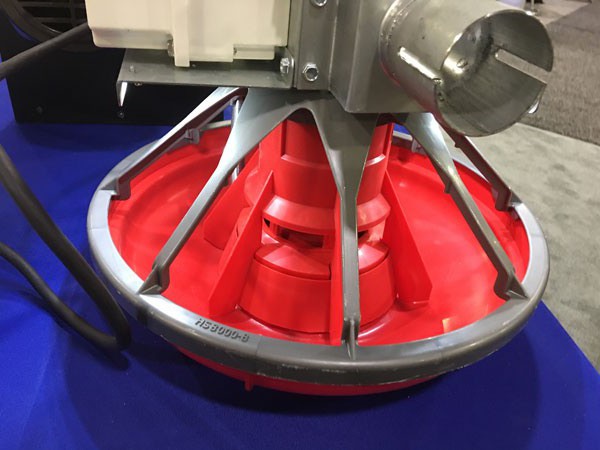 Classic Flood Light Kit illuminates control pan to encourage bird activity.
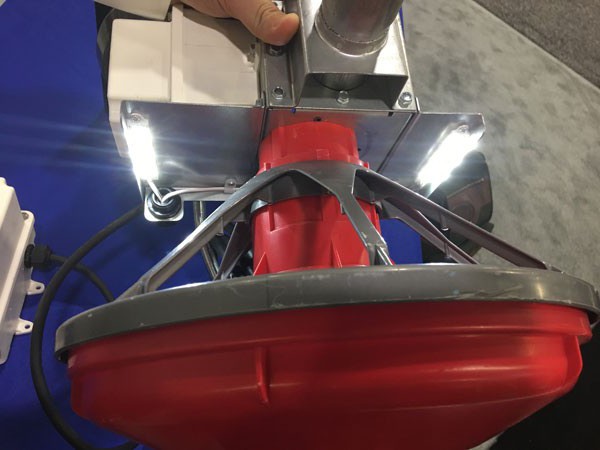 Six, long-lasting LED lights.
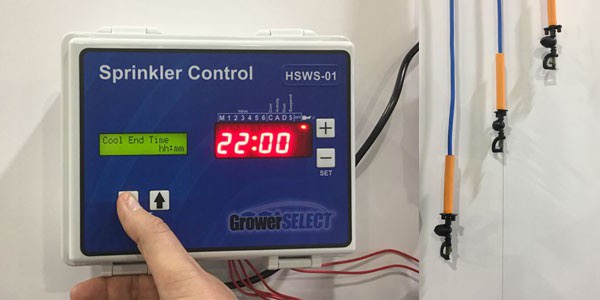 GrowerSELECT sprinkler control with drop assemblies.
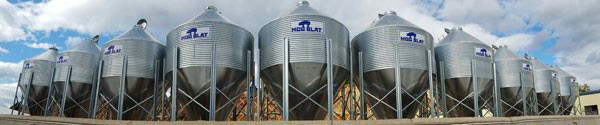 Hog Slat bins feature the industry's heaviest galvanized coating.
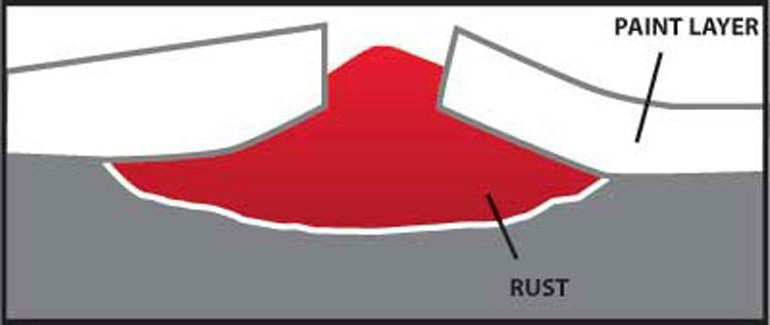 Paint coating protects steel from elements until damaged.
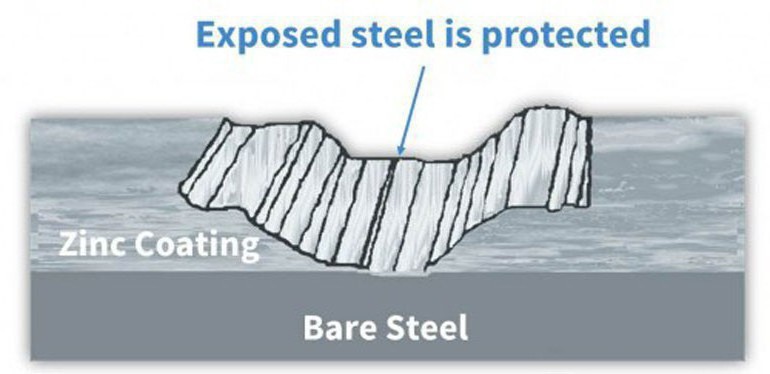 Galvanized coatings protect steel even when damaged.
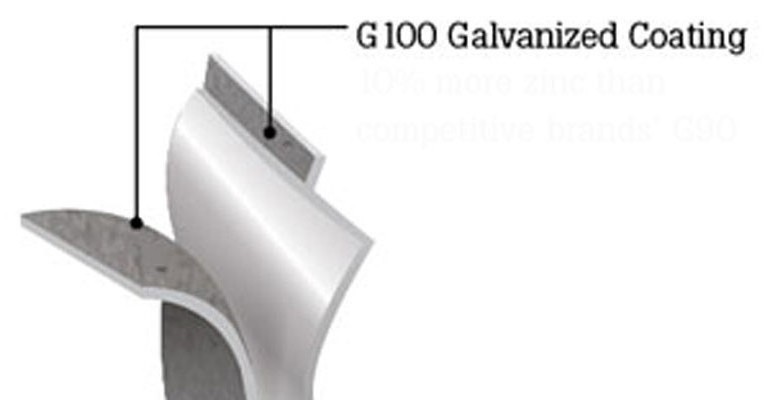 Heavier G100 galvanized coatings offer 10% longer service life.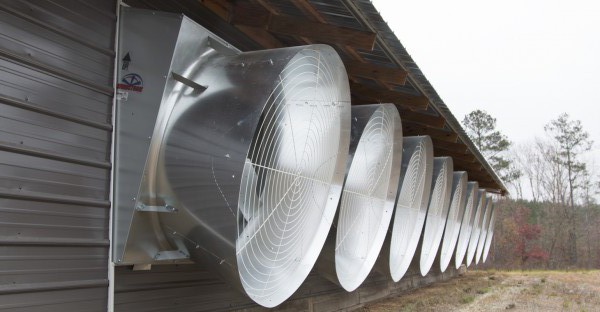
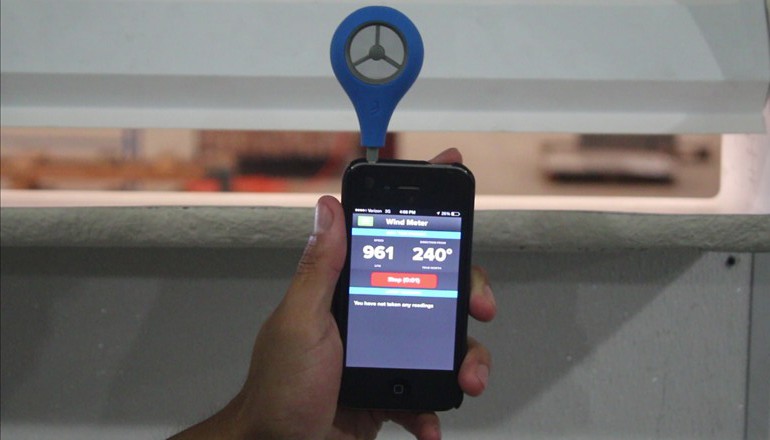 Inexpensive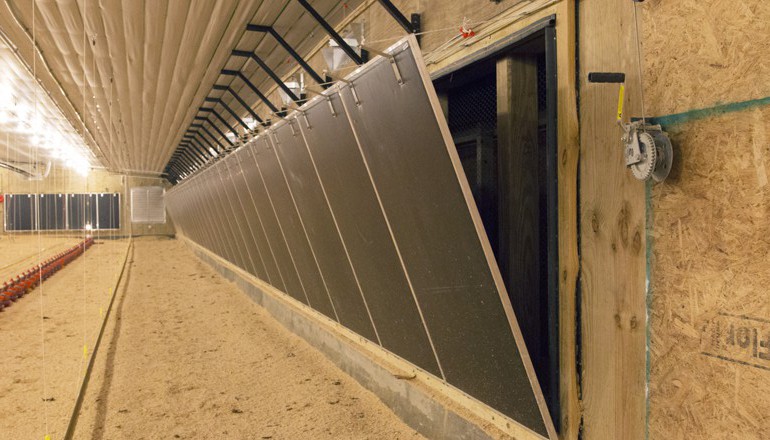
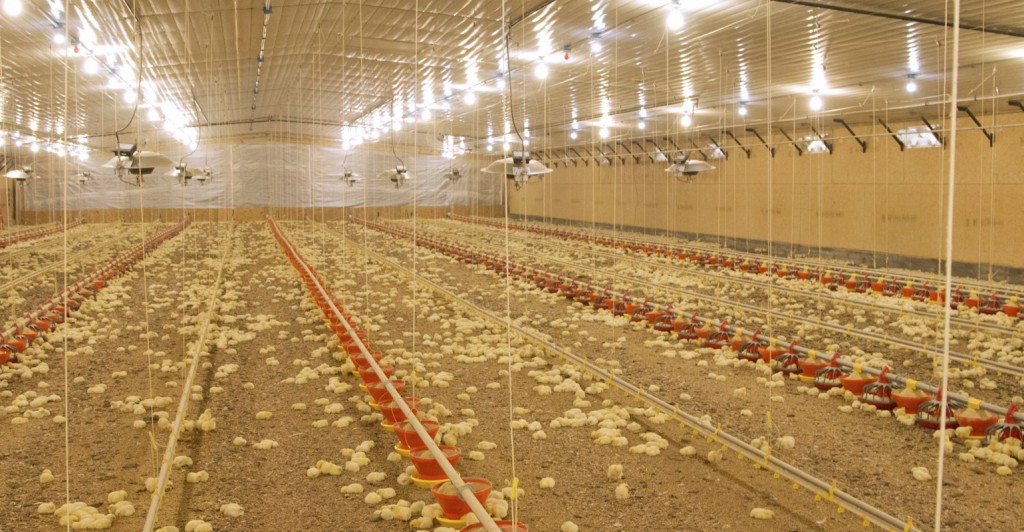
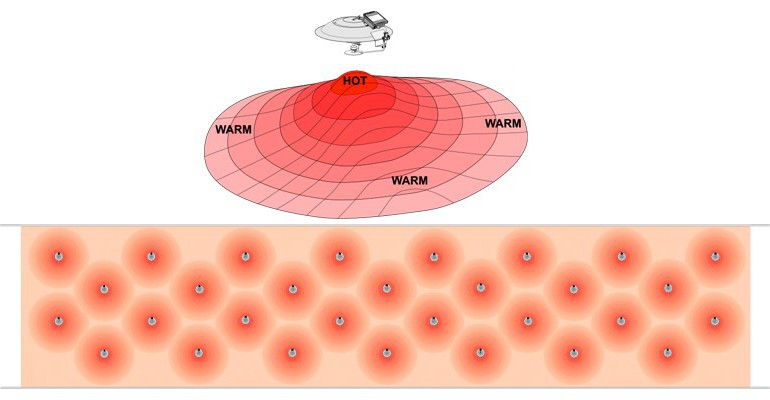 Heating pattern for
 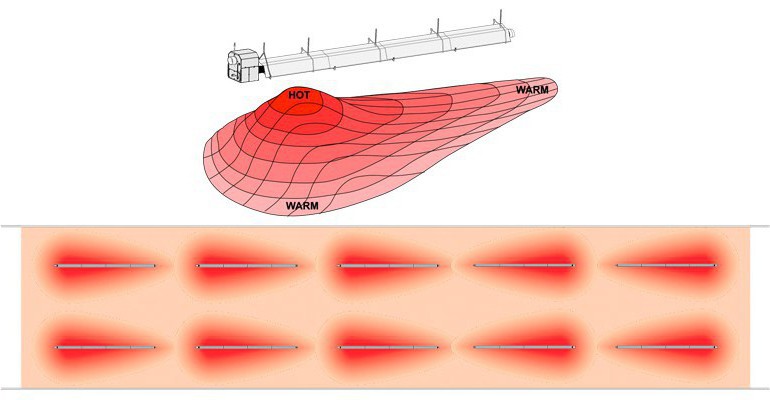 Heating pattern for
 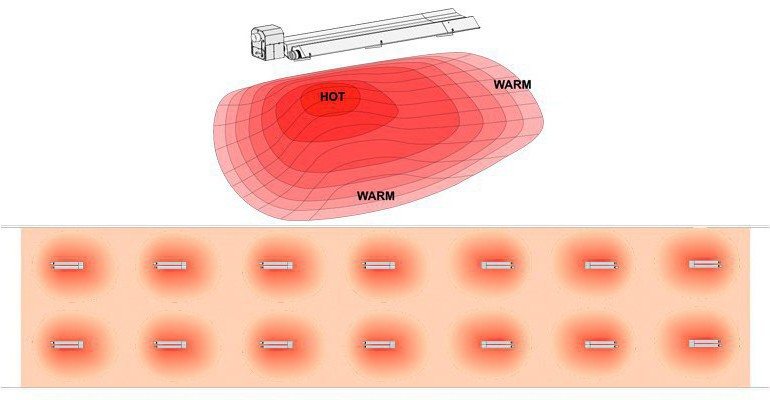 Heating profile of
 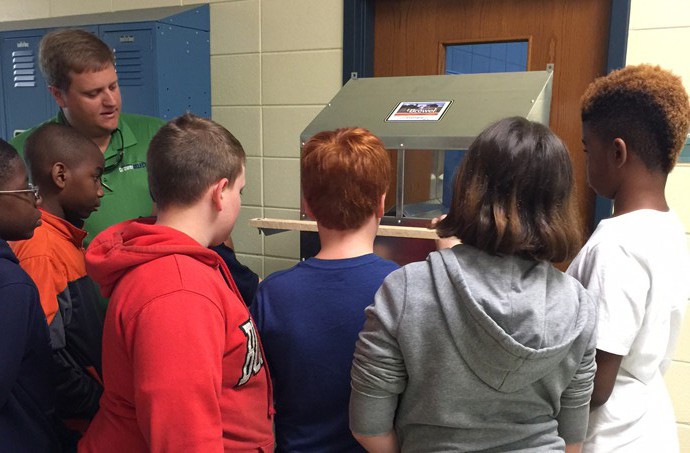 Heath and kids examine 4-hole nest used in chapter project
 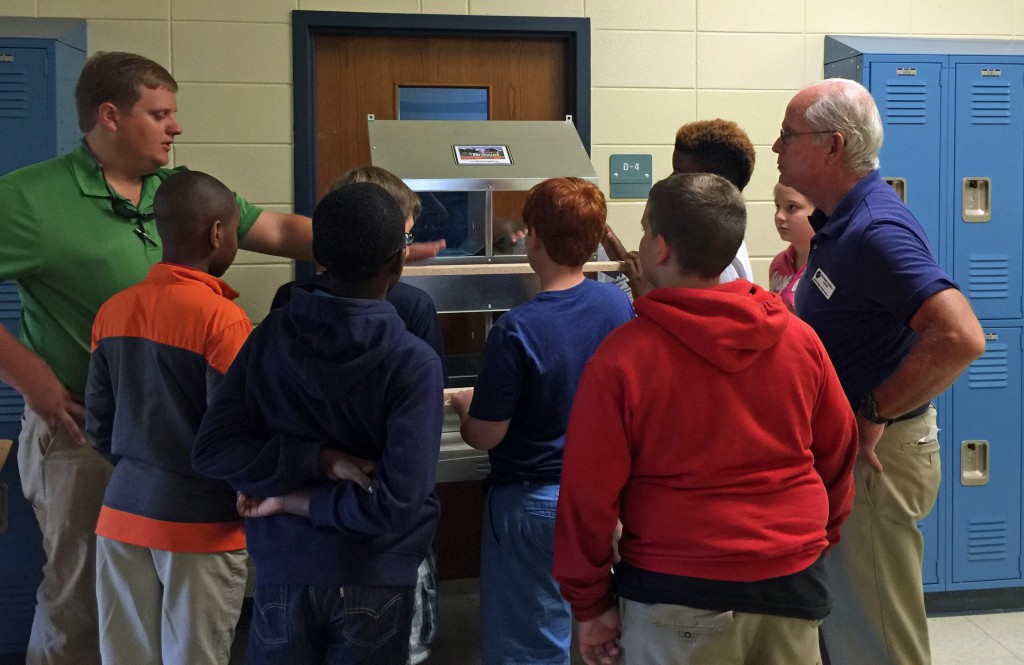 FFA advisor, Rick Burrell looks on as Heath highlights nest features.
 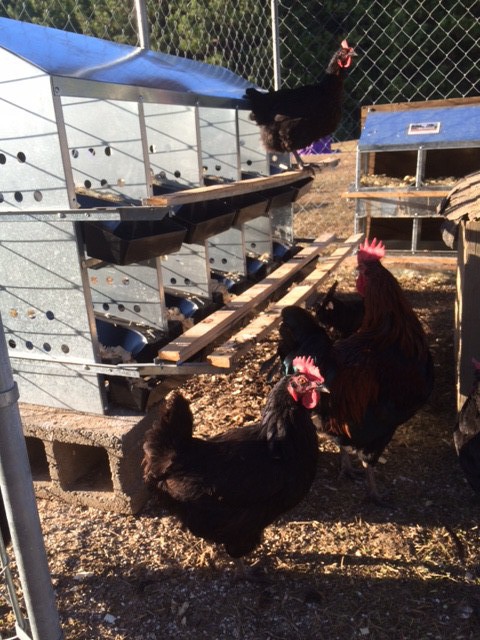 Clifton Ridge hens adapt to new nests
 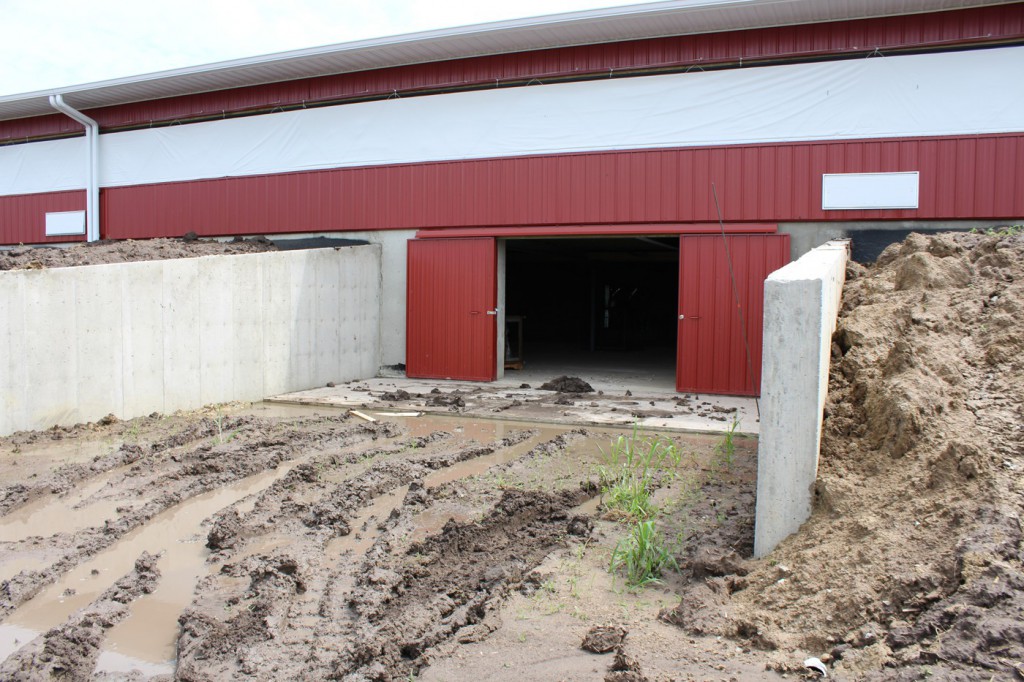 Access door to manure pit
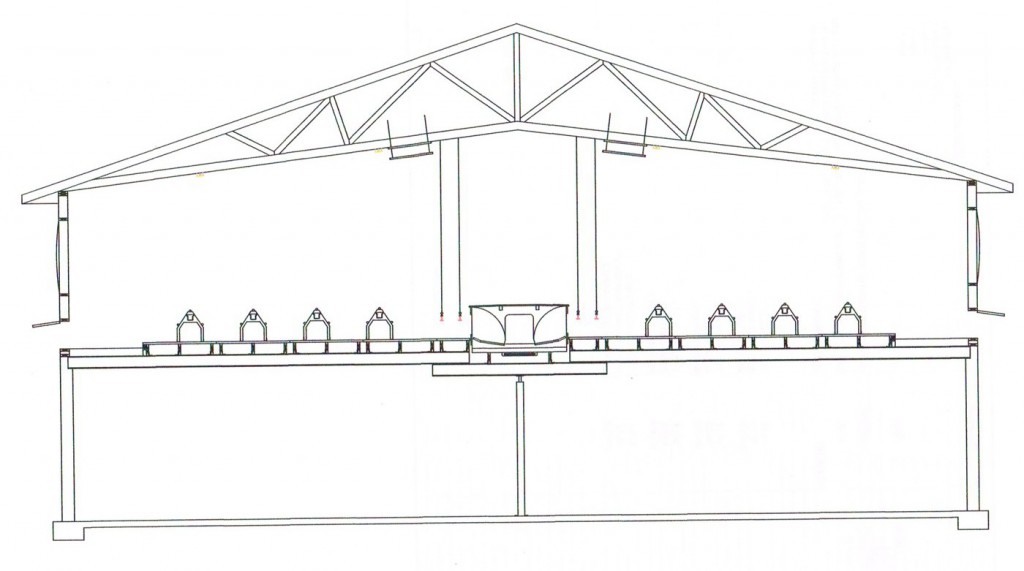 Cross section with plastic flooring and nests suspended above pit
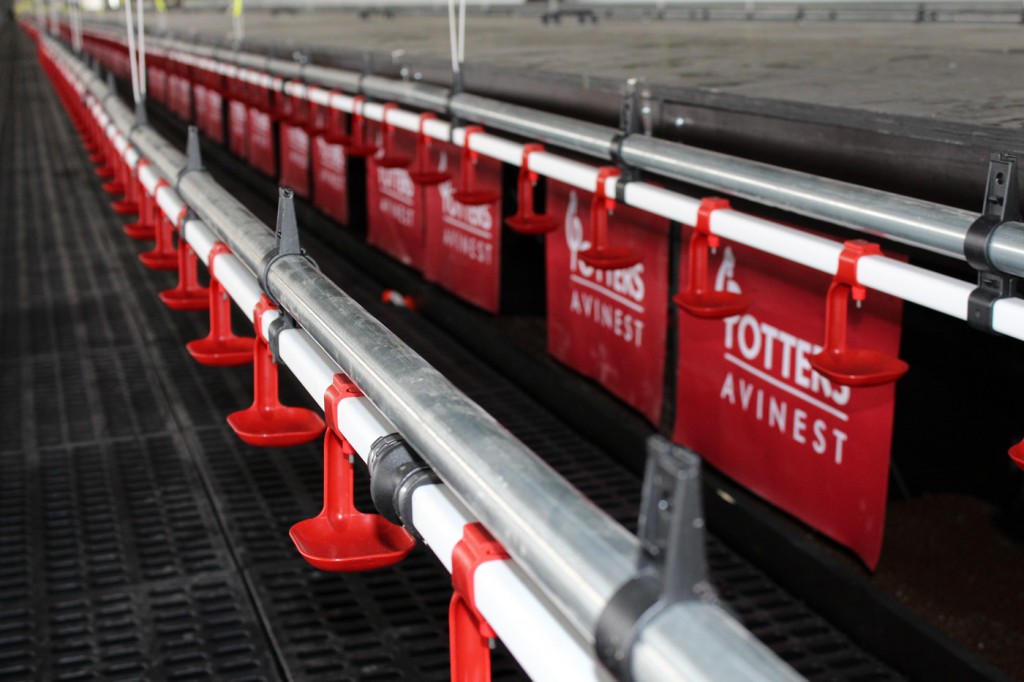 Potter's colony nests
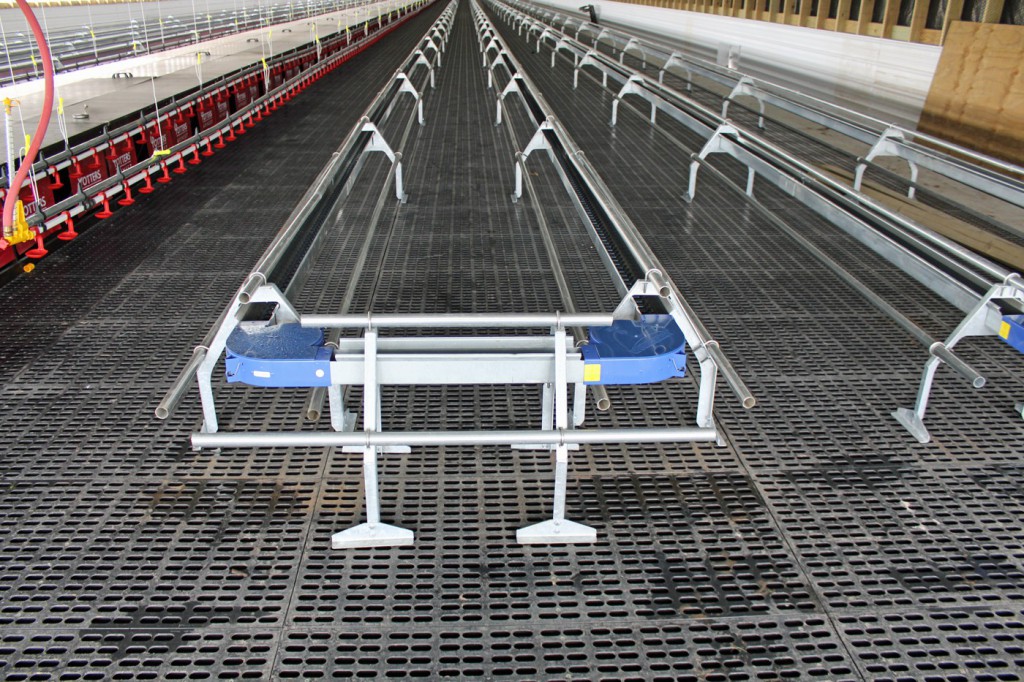 GrowerSELECT chain feeder with additional roost bars located on plastic flooring.
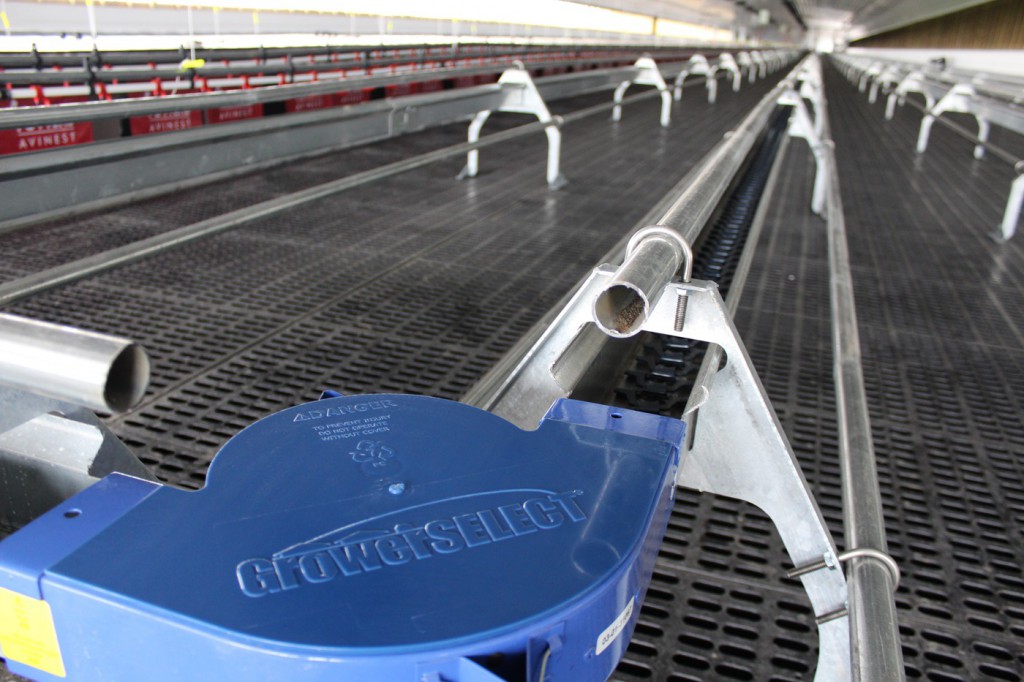 Unique triangle supports used on the GrowerSELECT chain feeding trough provide additional roosts for the hens.
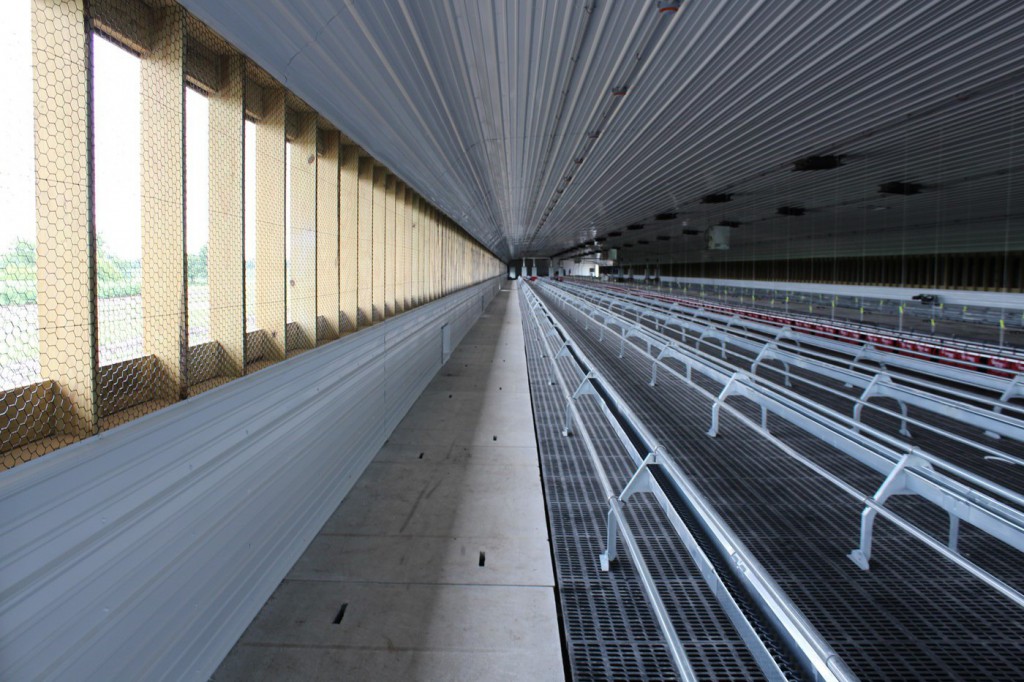 Precast concrete scratch area
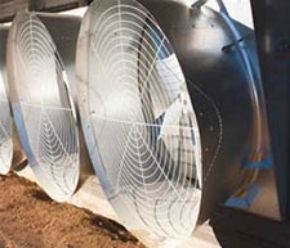
 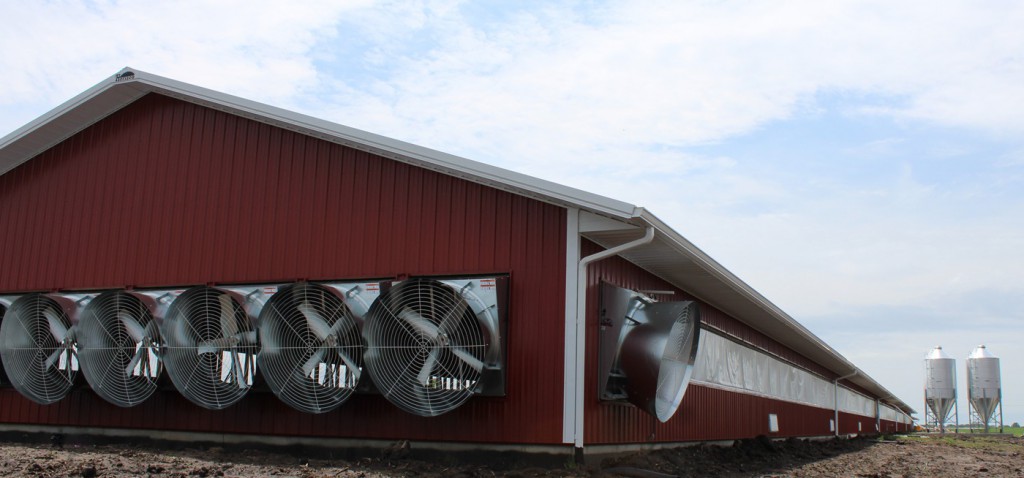 Windstorm galvanized fans with sidewall curtains used in the natural/ power ventilation system